
How Office Interior Design Impacts Employee Wellbeing and Productivity
Today’s workplace is no longer just a place to sit and work — it’s a strategic tool for attracting talent, improving performance, and supporting employee wellbeing. As remote and hybrid work models redefine how people use offices, companies face a new challenge: creating spaces that are not only functional but also beautiful, comfortable, and deeply supportive of human needs.
At The Creative Design, we specialize in workplace environments that prioritize wellbeing — because healthier employees build stronger businesses.
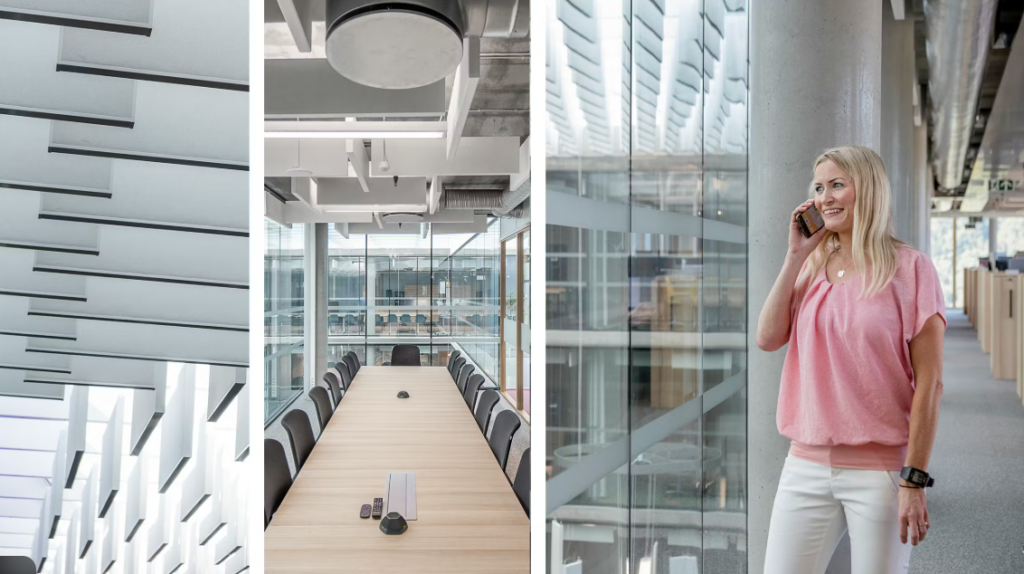
Why Workplace Wellbeing Matters More Than Ever
Burnout, disengagement, and stress-related illness are rising across industries. Research consistently shows that workplace design directly affects mood, concentration, collaboration, and overall job satisfaction. Employees spend nearly one-third of their lives at work — the quality of that environment matters.
Modern office design must now support:
- Mental and emotional health
- Physical comfort and ergonomics
- Social connection and collaboration
- Focus, privacy, and creativity
The Role of Interior Design in Employee Wellbeing
Design isn’t decoration — it’s performance infrastructure. Key design elements that influence wellbeing include:
1. Natural Light and Lighting Design
Exposure to daylight improves mood, sleep quality, and productivity. Thoughtful lighting design also reduces eye strain and fatigue.
2. Ergonomic Furniture and Layouts
Proper seating, desk heights, and movement-friendly layouts reduce musculoskeletal issues and increase energy levels.
3. Acoustic Comfort
Noise pollution is one of the top complaints in open offices. Acoustic zoning, materials, and spatial planning support focus and reduce stress.
4. Biophilic Design and Natural Materials
Plants, natural textures, and organic forms reduce anxiety and improve cognitive function — helping employees feel calmer and more connected.
5. Flexible and Activity-Based Workspaces
People work differently throughout the day. Offices that provide spaces for collaboration, focus, rest, and social interaction support healthier work rhythms.
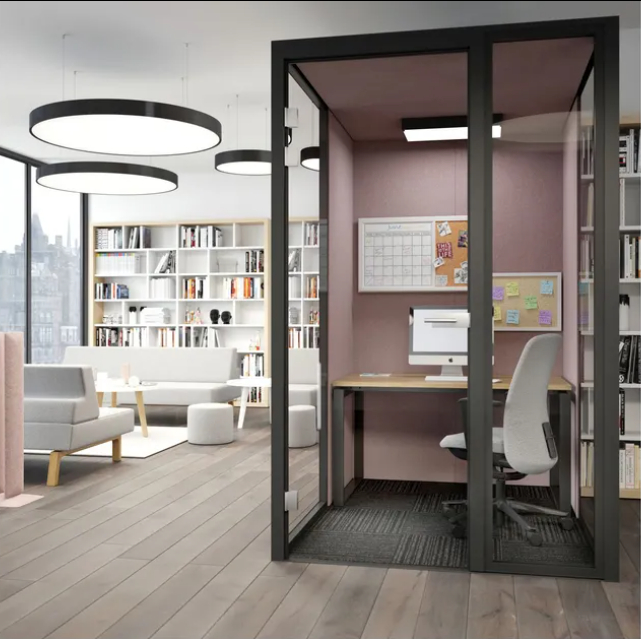
Designing for the New Way of Work
Hybrid work has transformed the purpose of the office. Today’s workplaces must offer something employees can’t get at home: inspiration, connection, culture, and experience. That means moving away from rows of desks toward dynamic environments that support collaboration, wellbeing, and performance.
Forward-thinking companies are investing in:
- Collaborative hubs and social spaces
- Quiet zones and focus rooms
- Wellness rooms and restorative areas
- Hospitality-inspired design experiences
How The Creative Design Creates Wellbeing-Centered Workplaces
At The Creative Design, we approach every project through the lens of human experience. Our design process integrates neuroscience, ergonomics, sustainability, and brand identity to create spaces that don’t just look good — they feel good.
We believe that well-being is not an add-on. It’s the foundation of productive, future-ready workplaces.
Final Thoughts
The office of the future isn’t about square meters — it’s about human performance. Companies that invest in wellbeing-centered design gain healthier teams, stronger cultures, and better business outcomes.
If your organization is navigating hybrid work, growth, or transformation, thoughtful interior design can become one of your most powerful strategic tools.